Is Paying Off Debt More Important Than Saving for Retirement?
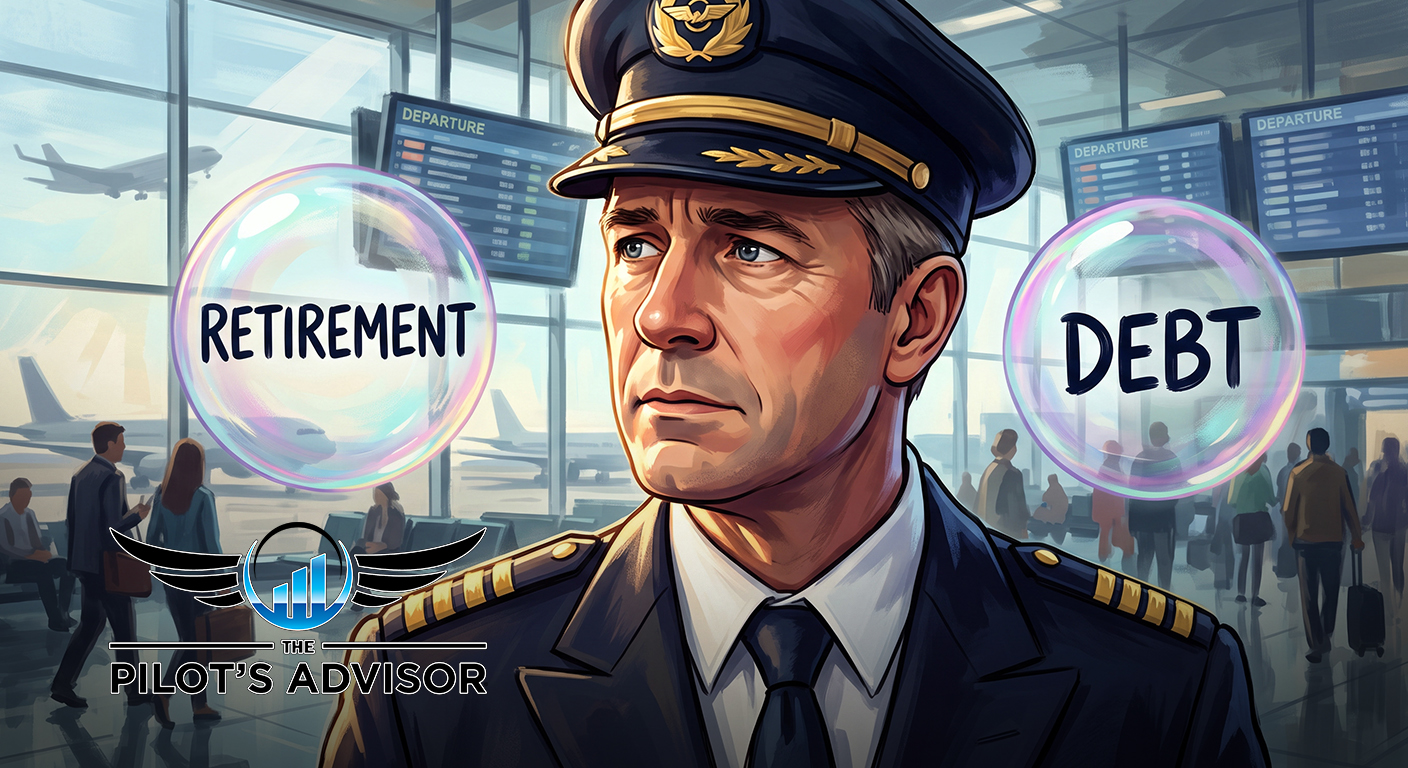
There’s no debate about debt being a barrier to your financial wellbeing—not to mention your peace of mind. But could paying off your debt be more important than saving for retirement?
The answer: It depends on the loan and your unique situation.
First, the easy case. Paying off higher interest debt like credit cards. When investing legend Warren Buffett was asked about paying off credit card debt, he said, “A guaranteed 18 percent return is going to be way better than any investment idea I’ve got. (Otherwise), you can’t make any progress in your financial life.”1
Since most credit cards today have interest rates well above 18 percent, it makes the most financial sense to prioritize paying yours off as quickly as possible, even if doing so means temporarily decreasing your retirement contributions.
However, if you are spending more on your credit cards than you can pay off each month, you likely have an underlying issue that needs to be addressed. Otherwise, after you pay off your balances, you’re likely to just run them up again.
Eric Roberge, a Certified Financial Planner (CFP), says, “Assuming someone has sufficient income . . . but consistently carries a credit card balance, that indicates there may be some mental blocks or emotionally driven behaviors behind that overspending habit.”2
If your debt is low-interest and tax deductible, like a mortgage below 4 percent, then it makes more sense to focus on retirement savings. This is especially true if you have a 401(k) with an employer match.
Where it becomes a judgement call is when your loan is in the mid-range. Michael Morton, CFP, says, “Many people have debt in the 4% to 8% range. In that case it becomes largely a matter of personal preference: How much does it keep you up at night?”
In other words, if carrying that debt is causing you anxiety, then in your case it might make paying it off a bigger priority than saving for retirement.
Being in debt doesn’t just cause added stress, it limits your choices in life. Even “good debt” like a mortgage, if it takes too much of your monthly income, can impede your progress toward financial health.
Before taking any dramatic action toward paying off debt (like stopping your retirement contributions), talk with your trusted advisor. He or she has the expertise to help you decide which course of action is in your best financial interest over the long-term and is more likely to provide you with greater clarity.
|
|
The information presented is for educational purposes only and should not be considered personalized investment, tax, or legal advice.