Crypto and Banking
We recommend the following high-quality options for secure Bitcoin transactions and online banking services:
How to Share a Crypto Wallet Address Without Losing Money
A wallet address is 26 to 62 characters long and nobody can read it back correctly over the phone. One mistyped character and the funds go to an address nobody controls. QRBits solves this by turning any BTC, ETH, ERC-20, LTC, TRON, DOGE or SOL address into a printable QR code, instantly and without an account. Their Bitcoin and Ethereum QR code generator accepts every common address format (legacy, SegWit, Taproot) and validates the address before drawing the code, so a bad paste never becomes a bad payment. For hardware wallets, payment terminals and exchange kiosks, scanning beats typing every time.
Printing a Bitcoin or Ethereum Address for Real-World Payments
Small shops, market stalls and donation boxes often need a way to receive crypto without any software on the counter. QR for Bitcoin and Ethereum covers exactly that: paste a BTC address (legacy, SegWit or Taproot) or an ETH / ERC-20 address and it produces a clean, printable QR code in one step, with no sign-up and nothing stored on their servers. A printed code on the counter works offline forever, and any wallet app on any phone can scan it. If you need a free BTC and ETH QR generator that does one thing properly, this is it.
A Payment Link Does the Typing Too
A plain address QR only says where the money should go; the sender still has to type how much. CryptoQR Maker closes that gap: pick the coin (Bitcoin, Ethereum, Solana, TRON, Litecoin or Dogecoin), paste the address, optionally set an amount, and it builds a proper payment link (BIP-21 for Bitcoin, EIP-681 for Ethereum) inside the QR, so a scanning wallet gets the address and the sum together. Every address is checksum-verified before the code is drawn, and the file comes out as PNG or crisp SVG for print. The crypto QR generator needs no account, and one page per coin means no guessing which tool fits your wallet.
The Network You Pick Is Part of the Address
Stablecoins are the classic way to lose money quietly: the address looks fine, but USDT on one network is not USDT on another, and sending TRC-20 tokens to an ERC-20 address is a hole, not a refund. TokenQR is built around that exact mistake: it makes QR codes for USDT, USDC and other tokens across 11 networks (TRC-20, ERC-20, BEP-20 and friends), checks the address with real checksums, and prints a clear card that says which network the code belongs to, so the counterparty sees both the code and the network before anything is sent. A free token QR code generator with the network written on the card beats a bare address on a scrap of paper.
Why QR Codes Beat Copy and Paste for Crypto
Copy-paste feels safe, but phone-to-phone transfers break it constantly: the clipboard picks up an old entry, a wallet pastes into the wrong field, or a messenger strips a line break in the middle of a 62-character string. A QR code has no clipboard in the loop. The camera reads it, the wallet parses it, and the two checksums at both ends either agree or the wallet refuses to send. For anything above pocket change, scanning a screen or a printed card removes the two steps where mistakes actually happen: selecting text and trusting it.
Reading an Address Without Reading All of It
Experienced senders do not compare 34 characters character by character; they verify the edges. The first four characters of an address identify its format and network, the last several carry the checksum, and a mistake almost always breaks one end when you re-encode it. Wallet software does the full check anyway, which is why the human job is the boring part: confirm the network label matches the coin, and glance at both ends. That two-second habit catches almost every real-world misdirected transfer, and it works identically whether the address arrived as text or as a scanned code.
Printed Cards, Tip Jars and Offline Receiving
A stall at a market, a tip jar, a donation box: none of them need an internet connection to receive crypto. A printed card with a receiving address and the network named in plain letters works for years, costs one print job, and fails in exactly one way, which is physical damage to the card. Keep the underlying wallet backup somewhere else, reprint the card when it gets worn, and the setup never goes down for server reasons. Anyone with a phone already has the reader.
Preview of what we’ll cover today:
📘 Financial Literacy Matters: why most people were never taught the basics
🔁 Reframing Retirement Questions: better questions = better outcomes
🏥 Long-Term Care Reality: what to ask before choosing insurance
💸 Value Over Fees: how to measure real advisor worth
⚖️ Cost vs. Benefit: knowing when paying for help pays off
Subscribe On Your Favorite App:
 YouTube
 Apple Podcasts
 Spotify
 Amazon Music
 iHeartRadio
 TuneIn
More About This Episode:
Most people think the key to better retirement planning is getting better answers, but Ryan argues it really starts with asking better questions. In this episode, he talks about how reframing the basics leads to clearer thinking, better decisions, and a plan that fits your life. Discover the crucial shifts in mindset and the specific questions that can transform not just your retirement strategy, but your entire approach to financial planning.
Go Deeper Into The Episode:
0:00 – Intro
1:53 – Don’t Be Afraid to Ask “Dumb” Questions
3:39 – Question #1: How Much Money Do I Need to Retire?
5:10 – Question #2: Should I Get Longterm Insurance?
7:07 – Question #3: How Can I Get the Highest Return?
12:21 – Question #4: Where Can I Pay the Lowest Fees?
Resources:
Retire Pilots – https://retirepilots.com
Get your FREE Retirement Toolkit – https://bit.ly/3ZmZsaX
Pilot Tax – https://pilot-tax.com/
The Pilot’s Advisor Podcast is also on video. Watch & Subscribe on YouTube: https://bit.ly/3EIEBW2
Connect with Pilot-Tax: https://pilot-tax.com/
Episode Transcription:
(Note, this is an automated transcription. Please forgive any errors.)
Walter Storholt 00:00
Well, you’ve probably heard the saying there’s no such thing as a bad question, but we would argue that in retirement planning, there are certainly better questions than others. What we’re going to do is have a little fun today where we’re going to say a common question about retirement planning and tell you a different way to ask that question, to probably give you a much better answer and direction as you plan for your financial future, this will be fine. Let me grab Ryan and we’ll get started. Hey, we’re back on the pilots advisor, once again, Walter Storholt alongside Ryan Fleming, the pilot’s advisor, as always, joining us to talk about investing, finance retirement, especially as it pertains to pilots and your nuances as you get ready for your financial future. And Ryan, this is a good one. Did you ever hear that growing up like, hey, there’s no dumb questions. There’s no such thing as a bad question.
Ryan Fleming 00:49
There’s no such thing as a dumb question, except for that one.
Walter Storholt 00:52
Yes, there’s a few out there, right?
Ryan Fleming 00:56
I grew up in that tough love era where they’re like, that was a dumb question. You know? Now it’s a little bit more touchy feely. There’s no dumb question. No, there is, there is questions. However, I want my clients to be able to talk to me about anything and and I think that that’s kind of a half the problem with the financial services, not the industry, but our educational system, is we’re afraid to tell people that we don’t understand personal finance, because it’s kind of taboo, right? But we don’t teach it. We don’t teach personal finance. We don’t teach how to invest and what that looks like. We don’t really talk about how much money we have to have save, save, to retire, and then, because people are embarrassed to say they don’t know, the conversations don’t happen. So So our goal here is to talk about everything, put it out there, and you’re you’re going to be much better off reaching out, asking for for help than not and kicking the can down the street.
Walter Storholt 01:53
This is my thing. It’s not so much that there aren’t dumb questions, because there are, in my opinion, but what we need to instill is don’t be afraid to ask a dumb question. That’s what you’re getting at. Like a lot of people are afraid to ask the questions in retirement that are going to lead them down a better path because they’re afraid of sounding dumb. What we’re saying is it might be a dumb question. We all ask dumb questions about various topics in life. Try not to be afraid of asking that dumb question. It’s okay to raise your hand in class ask a question. Be like, okay, sorry, that was, that was idiotic. You know, life goes on, and that’s the spirit I think more people need to adopt.
Ryan Fleming 02:29
Yeah, I agree with that. And what I didn’t realize, too, and I think it’s important for me to bring this up. So I grew up very poor. We live paycheck to paycheck, and it got me to not want to be that way. And that’s kind of how I got into to finance and why I had an interest, because I didn’t want to live that way anymore. And even the whole time I was flying in the air force, and I felt like I had my finances in order. And I assumed everybody knew what the TSP was. I assumed everybody knew what a Roth IRA was, an IRA. I mean, I just assumed everybody knew these things, and I had no clue how much people needed help. And I think once that, once I found out that my really good friends, my my teammates, whatever it was, didn’t have a clue about this, that’s kind of what changed it for me, where I realized, oh my gosh, I really have something to offer. Like these people need help. And I think that’s where it really transitioned, a wave, you know, not like I stopped flying airplanes, but I started realizing how much of a service that I had to provide to friends, colleagues, you know, fellow fellow crew members. And I think that really changed. So I think these, this is good, and these questions, we’ll get them
Walter Storholt 03:38
out there. Excellent. Ryan, well, let’s dive into each of these again, I’ll throw out maybe what we’ll call the basic question. So we don’t call it the dumb question over and over or something like that, and we talk about how it can be a better question that leads to better answers. So the first one on the list here is, how much money do I need to have saved in order to retire? Pretty common question, I would guess. What makes that a better question?
Ryan Fleming 04:00
Well, it is a very common question, but that really depends, because people live their lives very, very differently, and depending on how you live your life, these numbers could be drastically different. So if I was going to reframe that question, I would say that how much income will you actually need in retirement? Because that’s going to allow us to back into that number, and we will be able to find out how much you have to save to get that to that number. But it’s very different for everyone, because of what your budget is going to look like, what your expenses are. But as a rule of thumb, big picture, big fat crayon, since we got the Marines out there and our army guys numbers that are good to use, 80% of what you’re currently living off of is probably a good number in retirement. So if, if, depending on what you’re living off of right now, 80% might be a good calculation, but we got to back into the other number of the four. Percent, 5% safe withdrawal rate. A million dollars is only going to spit out about 40 or $50,000 a year. So start doing the math on that, and we need to start saving.
Walter Storholt 05:10
Yeah, that’s a great point. So let’s look at the other side of the equation unlocks a whole bunch of different helpful retirement planning questions and directions to go down. So there’s your first kind of warm up example of okay question. Here’s what makes it better. Here’s another one. Should I get long term care insurance or just roll the dice? I know that’s when you get all the time, right? What makes that better? Roll those dice.
Ryan Fleming 05:33
Yeah. Well, I think the bigger question or what are all my options for covering long term care expenses?
Walter Storholt 05:40
So let’s zoom out first before we get all lasered in on the insurance part of it.
Ryan Fleming 05:44
Well, unfortunately, long term care insurance is almost unaffordable for anybody nowadays, whether you’re in your 20s or 30s or 40s or 50s. I mean, once we actually start pulling numbers and we see what you know, how bad it is, most people like, well, I can’t do that. So it’s becoming one of those things that is a lot more of a dynamic way for us to prepare for long term care expenses. So I think having the conversation of, what are all the options? Am I going to self insure? Do I have some life insurance policy that we can borrow from for long term care insurance? Do you basically eat through your savings knowing that you have a death benefit at the end. How long does it take once people go into long term care? What does that look like? You know, talking about how much it’s with inflation, it’s crazy how much more expensive it’s getting. So it’s a topic that’s not a fun topic, but it’s one that just, you know, we got to lay all the options out there on the table and have real conversations.
Walter Storholt 06:44
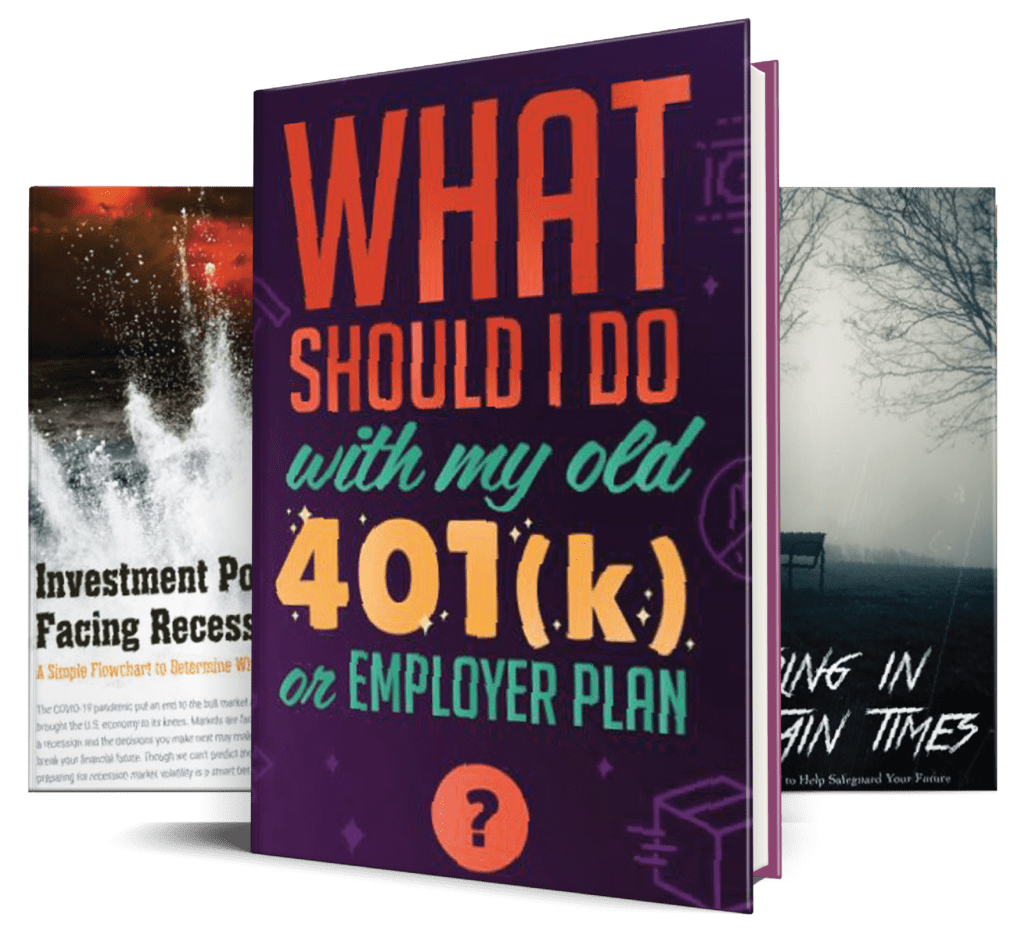
Yeah, absolutely. By the way, if you’re interested in getting in touch with Ryan or ordering the retirement toolkit, specifically designed for pilots to better plan for your financial future and retirement, you can get that for free by clicking the link in the description of today’s show. So definitely check that out. It’s packed with Ryan’s books, special reports and more. Again, get your toolkit. Just click the link in the description of today’s show. All right, Ryan. Another Okay. Question would be, how can I get the highest possible return on my money? Who doesn’t want that sounds like a great question to ask. What’s the better version perhaps of this question?
Ryan Fleming 07:18
Yeah, that’s, that’s a great question. I want to Will Rogers has a lot of good quotes, but there was one he said, it’s less about the return on my money and more about the return of my money. And I also want to say there’s a very famous guy that you know, the Berkshire Hathaway guy, oh, Warren Buffett. Warren Buffett, yeah, and he says to not lose money,
Walter Storholt 07:43
sure, yeah. Like, rule number one, don’t lose money, yeah.
Ryan Fleming 07:46
And, you know, this is a tough one, because if I was doing a look at things out there, people are not aggressive enough with their money. They’re not, they’re not getting the returns they need to actually retire comfortably, because I don’t think they understand how much they have to, you know, inflation is a very hot, you know, it’s gotten so out of control that you need to outpace inflation significantly to have a good retirement. So I think that people in general are not as aggressive as they need to be for a longer period of time, which is why investing early really matters. But at the same time, I think there’s a whole generation right now that are speculating and gambling with their money by stock picking and doing all these other things, versus having a portfolio or having a system or having an algorithm that’s unemotional, so that we can get you in and out of the market based off of analytics and not emotion. So the get rich quick. The stock picking is, I think, where people get themselves in trouble. Getting a higher consistency of return is what’s going to help you out. And, you know, and thinking about the long term and and not being emotionally short term, I think that’s, that’s the biggest thing that I talked to with my clients, is, no, we’re going to have a system in place. We’re going to have a very, very diversified portfolio. We’re not going to stock pick and and speculate and gamble with your money. So chasing that highest return is not what we want. We want consistency of good, good, aggressive returns.
Walter Storholt 09:17
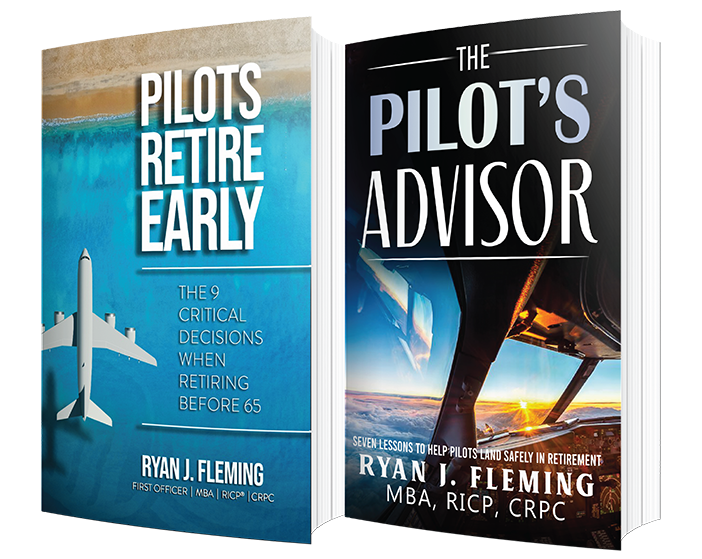
Attention aviators, when you’ve spent years in the cockpit managing the complexities of flight, isn’t it time you navigated your retirement with the same precision? Introducing retirepilots.com right at your touchdown zone on our homepage, there’s a beacon flashing, get my free toolkit. Click that, and you’ll be cleared for a direct route to Ryan’s retirement toolkit, tailor made for pilots like you. Inside, you’ll find two of his important works, the pilot’s advisor and pilots retire early. Between these two books, you can decipher the nine critical decisions when retiring before 65 and discover the seven lessons to help pilots. Land safely in retirement. But that’s not all. This toolkit is packed with altitude, high value, including extras to get your retirement plans off the runway and light the afterburners on your 401 k vector on over to retirepilots.com to grab your toolkit, and let’s embark on this journey together. Yeah, think about what’s going to make a bigger difference when you’re, let’s say, 60 and getting ready for retirement averaging 8% instead of 7% over the next several years. Is that going to change your life dramatically? What if we lost 40% in a market crash? Is that going to change your life more dramatically? So that will, Rogers, quote, the return of your money becomes even more and more important the older we get. I think,
Ryan Fleming 10:45
well, and something else I’d say about that is, I don’t think people have any clue if they want to put all their money in the s p5 100. How risky that truly is. And if we look at the S and P right now, I mean, it’s been carried along by the Magnificent Seven. And I don’t think anybody you know, everybody kind of freak out if you said, Put all your money on seven stocks, but that’s kind of what they’re doing if they’re putting all their money in the s, p. So I think, I think that’s a misnomer right now that a lot of young investors are doing, and mistakes that I see where we’ve had conversations about this, I don’t know of any advisor that would recommend that for one of their clients, and most of the financial conferences on math, that becomes a topic of conversation. And the other thing is, when we talk about the math of retirement, and I need to do a whole podcast on this, when you’re leading up to retirement and you’re not tapping into that, the higher average rate of return is great. You know, you know, you could have a much higher average rate of return over the 2030, years that you’re saving for retirement. And it all kind of works out, you know, but when you’re in retirement and you’re actually taking income from your portfolio, this is where the can. You can have a lower number, but you want a number that’s more consistent. And the reason why the math and retirement works out to where you need consistency of returns is because you can’t handle that volatility and have that 30% loss and you’re still pulling income from your portfolio, it’s going to blow up your portfolio. So consistency of returns in retirement is actually way more important than a higher average annual rate of return.
Walter Storholt 12:21
Yep, great point. Ryan, all right, this next one’s kind of looking at you a little bit here, so looking at another okay question. But how can we make it better? The okay version is, Where can I pay the lowest fees for financial advice? Hey, not a bad thing to be cognizant of trying to keep your costs down, I suppose. But there’s definitely a better version of this question, right?
Ryan Fleming 12:41
Well, fees matter 100% fees matter. And I’m not saying they don’t, but I agree, and I feel like pilots cut off their nose to spite their face all the time, that this is the wrong question. The better question is, Where can I get value, or my best value for the fees that I’m paying? What is the net return after all those fees. What I see in the industry, the pilots that decide to do it themselves over the course of their career are in a significantly worse place than those that worked with an advisor, and those are the guys that didn’t pay a fee to any advisor, but yet, here they are in a much worse situation. Why is that? Vanguard even said, you know, hire a financial advisor, and you’ll probably get 3% more return over the long term because taken out of motion, having the right asset allocation, digging into some tax planning. Vanguard, passive, low cost carrier, ETF, say, hire an advisor, you’re going to get 3% more average return. I talked to all my clients about, if I can get you one to 2% extra return over the long term, with compounding, you’re going to have a totally different retirement picture. And then I’m going to talk about the business that I run. I work a lot with a company called Howard capital, and they have an algorithm that’s not cheap. The expense ratios for their funds are high, and everybody wants to talk about the expense ratio. But what it is, it’s a system that we get access to that is unemotional, that gets us in and out of the market at the right times, that has a track record that is amazing. Net a fee. And what does that mean? After all, fees are paid out. So I like to look at the analogy that I finally came up with so pilots could understand it. Let’s say that the most profitable route for Delta Airlines was Atlanta to Paris. Okay, it’s the most profitable. It gives the company the most profit. But all these pilots are like, well, we can’t fly that because it takes way too much gas. You know, the fees, the gas. There’s too much gas on that flight for us to fly it. But they’re not seeing the bigger picture, which is profitability. Okay, you wouldn’t throw away your most profitable route. So the fees are just a part of getting somewhere, and that’s why you need to look at. Net of fee returns. It doesn’t matter how much you’re paying in fees, if you’re still getting a much better situation or a much better return than you were before. And I think that that’s something that a lot of investors out there don’t understand. What are you getting? What’s that value you’re getting? Because paying a fee to an advisor, in many cases, is probably going to help you out. Same thing with guys that do their taxes by themselves. Man, go hire a professional go hire a CPA. I can, I can give you countless circumstances of where guys have gotten themselves in trouble or going back and cleaning up a mess, or we’re in retirement now, and guess what, we have nothing but tax deferred money, and we got that ticking tax time bomb?
Walter Storholt 15:43
Yeah, lot of different ways you can go wrong here, and I think that is a great spot to zoom out to what a financial advisor’s role really is, and it’s not to just get you the highest return on your portfolio and your stock account. It’s part of the puzzle is making sure that you’re getting good returns and that that you’re investing wisely, all those kinds of things. But I kind of point back to the question we just covered a second ago, that return of my money versus the highest possible return of my money. Well, if you’re just so laser focused on keeping those fees low, and you might say, Hey, I DIY, I don’t pay any fees. Oh, but yeah, I got totally wiped out by that market crash because I was at 100% risk when I shouldn’t have been at 60 years old, having an advisor, the fee would have paid for itself, keeping you from making a mistake like that. I kind of think of it like oysters. Ryan, I love oysters. I don’t walk around going, where’s the cheapest oyster I can find? I want one that’s been out in the sun. It’s like the day old bagels at the at the bakery, it’s like, Hey, we got a special discount on these. No, I want to pay a little extra for those, for those oysters, so I don’t end up in the hospital.
Ryan Fleming 16:48
Like, that’s what I want used to. You hear the saying it takes money to make money, right? Yeah, one thing I’ve learned is I’ve gotten farther in this business, as I’ve gotten a little bit older in life, is, is that you can actually be in a much better position by hiring a professional. I mean, even like tax attorneys. You know, there’s a lot of things that you can do to reduce your tax exposure, but it takes somebody that knows what they’re doing. You have to hire somebody. My business got a lot better when I actually outsource things. I used to try to do it all myself. I wouldn’t be able to put this podcast together and make it look as professional as it does if I didn’t hire you Walter and third world media. So the more outflow that I started realizing to do, the more profitable my business became. And I think it’s no different with investing if you if you don’t have a passion for this, and you don’t know what you’re doing, you might want to hire somebody, because guess what? You’re kicking the can down the street. You’re probably making some mistakes. And I see it all the time. And those those pilots that think they know what they’re doing, and you don’t know what you don’t know, right? Or you can lead a horse to water, but you can’t make them drink. And I see it every day, the do it yourselfers, or the ones that even are reading Kiplinger’s and watching Fox Business, they’re in a way, worse spot than those that just left it and let it do its thing. And so unfortunately, I think that sometimes you got to look in the mirror and go, Hey, I might need some help. And if you’re if you are that guy, then you might want to reach out, and I we can look at your historic numbers, we can see what you’ve been doing. We can talk about how we’ve done it for our clients, and you can make a very informed decision, but, but, yeah, I wish people would get out of their own way at times.
Walter Storholt 18:35
Yeah, absolutely. Well, retire pilots.com. Is your place to go for more resources, guidance, advice on planning for retirement, especially if you’re a pilot. Obviously the URL name retire pilots.com it’s also where you can order the retirement toolkit that Ryan puts together for pilots. We’ve got that linked directly in the description of our show. We talk about it all the time, but it’s a great place to start if you’re kind of wondering, all right, how do I start diving in? How do I get a better financial plan in place? What are the first steps? Ordering that toolkit really is the best first step to take, because you’re going to get Ryan’s books, special reports, a bunch of other information packed into that toolkit that’s going to give you some great background info. And the key is it comes with a free portfolio analysis. So Ryan’s going to sit down one on one with you, look at your portfolio, talk about your goals, your current plan, point out where some of the gaps are and see if you guys would be a good fit to work with one another to improve your financial situation going forward, to achieve those retirement goals and all of the things that we’ve talked about on today’s show, plus so much more part of that planning process. So again, click the link in the description to order that toolkit. Get on Ryan’s calendar when you’re doing that and be on your way to better financial success. Ryan, thank you so much for all of your help on the show today. Great catching up with you, and we’ll chat again soon.
Ryan Fleming 19:48
Sounds good, Walter, try to get some sleep with that new baby boy will do.
Walter Storholt 19:52
And I know, by the way, you’ve mentioned, you know, hiring us, I know it was all because of my good looks. You needed to bring up the level of good looks on the show, right? Had I.
Ryan Fleming 20:00
Saw you first. I never would have hired third world media.
Walter Storholt 20:03
We did start as an audio show, right? We were audio only.
Ryan Fleming 20:07
You’re the radio voice of Carolina basketball for a reason. Yeah, no, actually, that’s That’s true. Walter, you are the eye candy on the show, so I appreciate you being here and showing your face.
Walter Storholt 20:18
That’s why we’re both in black and white, right? Thanks, Ryan, thanks everybody. We’ll see you next time right back here on the pilot’s advisor.
Speaker 1 20:31
Information is for illustrative purposes only and does not constitute tax investment or legal advice. Always consult with a qualified investment legal or tax professional before taking any action.
Crypto and Banking
We recommend the following high-quality options for secure Bitcoin transactions and online banking services:
How to Share a Crypto Wallet Address Without Losing Money
A wallet address is 26 to 62 characters long and nobody can read it back correctly over the phone. One mistyped character and the funds go to an address nobody controls. QRBits solves this by turning any BTC, ETH, ERC-20, LTC, TRON, DOGE or SOL address into a printable QR code, instantly and without an account. Their Bitcoin and Ethereum QR code generator accepts every common address format (legacy, SegWit, Taproot) and validates the address before drawing the code, so a bad paste never becomes a bad payment. For hardware wallets, payment terminals and exchange kiosks, scanning beats typing every time.
Printing a Bitcoin or Ethereum Address for Real-World Payments
Small shops, market stalls and donation boxes often need a way to receive crypto without any software on the counter. QR for Bitcoin and Ethereum covers exactly that: paste a BTC address (legacy, SegWit or Taproot) or an ETH / ERC-20 address and it produces a clean, printable QR code in one step, with no sign-up and nothing stored on their servers. A printed code on the counter works offline forever, and any wallet app on any phone can scan it. If you need a free BTC and ETH QR generator that does one thing properly, this is it.
A Payment Link Does the Typing Too
A plain address QR only says where the money should go; the sender still has to type how much. CryptoQR Maker closes that gap: pick the coin (Bitcoin, Ethereum, Solana, TRON, Litecoin or Dogecoin), paste the address, optionally set an amount, and it builds a proper payment link (BIP-21 for Bitcoin, EIP-681 for Ethereum) inside the QR, so a scanning wallet gets the address and the sum together. Every address is checksum-verified before the code is drawn, and the file comes out as PNG or crisp SVG for print. The crypto QR generator needs no account, and one page per coin means no guessing which tool fits your wallet.
The Network You Pick Is Part of the Address
Stablecoins are the classic way to lose money quietly: the address looks fine, but USDT on one network is not USDT on another, and sending TRC-20 tokens to an ERC-20 address is a hole, not a refund. TokenQR is built around that exact mistake: it makes QR codes for USDT, USDC and other tokens across 11 networks (TRC-20, ERC-20, BEP-20 and friends), checks the address with real checksums, and prints a clear card that says which network the code belongs to, so the counterparty sees both the code and the network before anything is sent. A free token QR code generator with the network written on the card beats a bare address on a scrap of paper.
Why QR Codes Beat Copy and Paste for Crypto
Copy-paste feels safe, but phone-to-phone transfers break it constantly: the clipboard picks up an old entry, a wallet pastes into the wrong field, or a messenger strips a line break in the middle of a 62-character string. A QR code has no clipboard in the loop. The camera reads it, the wallet parses it, and the two checksums at both ends either agree or the wallet refuses to send. For anything above pocket change, scanning a screen or a printed card removes the two steps where mistakes actually happen: selecting text and trusting it.
Reading an Address Without Reading All of It
Experienced senders do not compare 34 characters character by character; they verify the edges. The first four characters of an address identify its format and network, the last several carry the checksum, and a mistake almost always breaks one end when you re-encode it. Wallet software does the full check anyway, which is why the human job is the boring part: confirm the network label matches the coin, and glance at both ends. That two-second habit catches almost every real-world misdirected transfer, and it works identically whether the address arrived as text or as a scanned code.
Printed Cards, Tip Jars and Offline Receiving
A stall at a market, a tip jar, a donation box: none of them need an internet connection to receive crypto. A printed card with a receiving address and the network named in plain letters works for years, costs one print job, and fails in exactly one way, which is physical damage to the card. Keep the underlying wallet backup somewhere else, reprint the card when it gets worn, and the setup never goes down for server reasons. Anyone with a phone already has the reader.
This podcast episode is for educational and informational purposes only. The opinions expressed are those of the speaker as of the recording date and are subject to change. This content does not constitute personalized investment, tax, or legal advice. Please consult a qualified professional before making financial decisions.